The Comprehensive Guide to Full-Funnel Marketing Strategies


Understanding Full-Funnel Marketing
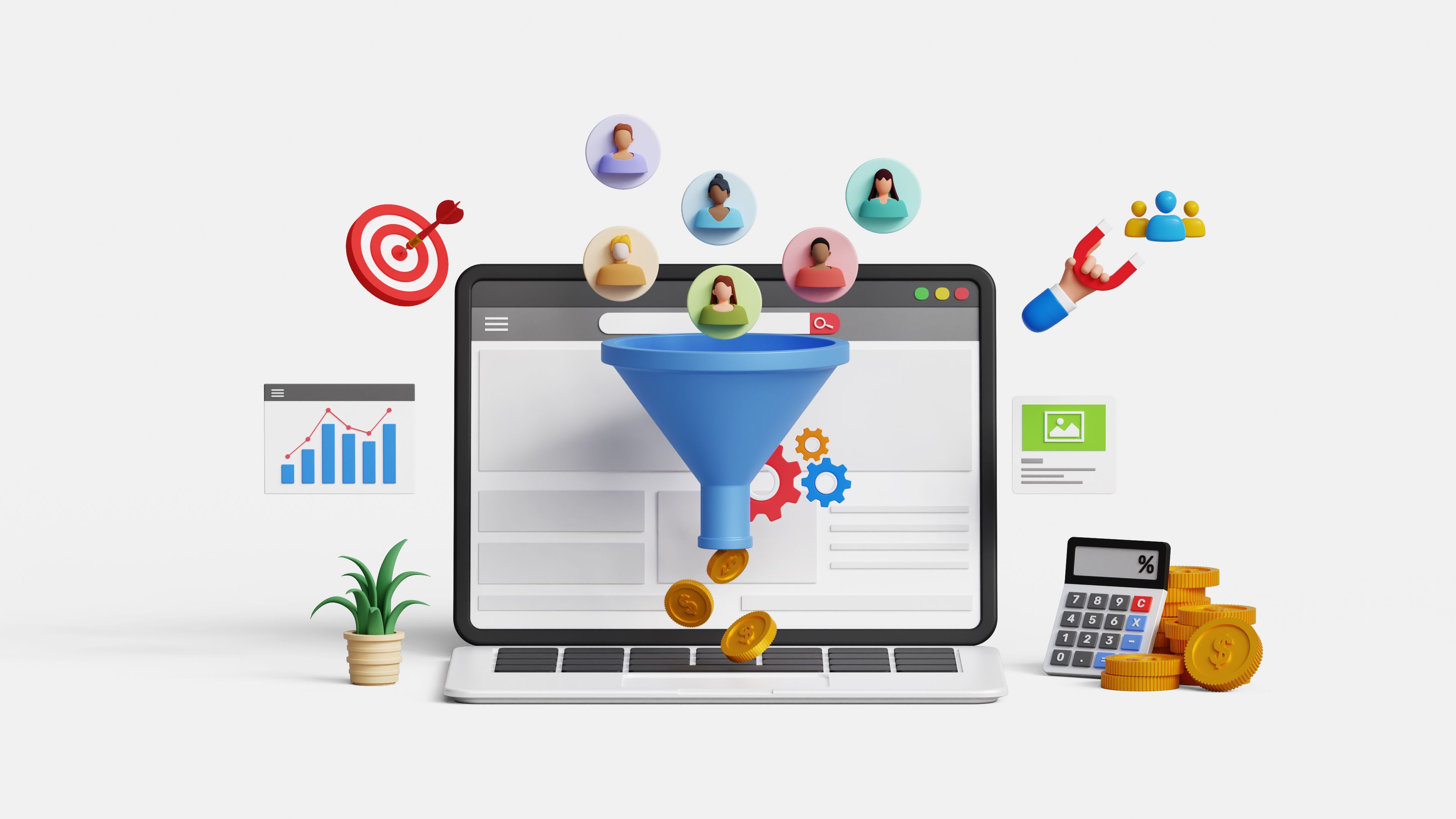
Full-funnel marketing is a comprehensive approach that targets potential customers at every stage of their buying journey. Unlike traditional marketing strategies that focus on either awareness or conversion, full-funnel marketing integrates both to create a seamless experience. This strategy ensures that your brand remains top-of-mind from the initial awareness stage all the way to the purchase decision.
The essence of full-funnel marketing is understanding that different customers have different needs at each stage of the funnel. By tailoring your messaging and tactics to these stages, you can effectively guide prospects towards making a purchase while building a lasting relationship with them.
Top of the Funnel: Awareness
The top of the funnel is all about building awareness and attracting a wide audience. At this stage, potential customers might not even know they have a need or problem that your product or service can solve. The goal here is to capture their attention and introduce them to your brand.
Content marketing, social media, and paid advertising play crucial roles in this stage. Creating engaging blog posts, eye-catching social media content, and informative videos can help to draw in a broad audience. It's important to focus on providing value and establishing trust without pushing for a sale.

Middle of the Funnel: Consideration
Once you've captured interest, the next step is to nurture those leads and move them into the consideration stage. Here, the objective is to educate and inform your audience about the benefits of your product or service. This is where you differentiate yourself from competitors.
Email marketing campaigns, webinars, and case studies are effective tools for this stage. Providing detailed information and answering potential questions can help prospects see the value in what you offer. It's essential to maintain engagement and build a deeper connection with your audience.

Bottom of the Funnel: Conversion
At the bottom of the funnel, your focus shifts towards converting prospects into paying customers. By now, they are aware of your brand and have considered your offerings; it's time to help them make the final decision.
Offering free trials, demos, and personalized consultations can be effective in encouraging conversion. Additionally, leveraging customer testimonials and reviews can build trust and credibility. This stage is about removing any remaining barriers to purchase and providing a seamless experience.
Measuring Success
Implementing a full-funnel marketing strategy requires careful measurement and analysis to ensure its effectiveness. Key performance indicators (KPIs) such as conversion rates, customer acquisition cost, and customer lifetime value should be closely monitored.
Utilizing analytics tools can provide insights into how well each stage of the funnel is performing. Regularly reviewing these metrics allows you to make data-driven decisions and optimize your strategy for better results.

Conclusion
A full-funnel marketing strategy is not a one-size-fits-all solution but a dynamic approach that adapts to the needs of your audience at every stage of their journey. By understanding and implementing these strategies, you can create a cohesive and impactful marketing plan that drives long-term success.
Whether you're just starting or looking to refine your existing strategies, full-funnel marketing offers a holistic way to connect with your audience and achieve your business goals.