The Future of Marketing: Trends Shaping Full-Funnel Strategies


Introduction to Full-Funnel Strategies
The landscape of marketing is continuously evolving, and businesses must adapt to stay competitive. A key trend impacting the industry is the adoption of full-funnel strategies. These strategies encompass every stage of the customer journey, from awareness to conversion and beyond. By focusing on the entire funnel, marketers can create more personalized experiences and drive better results.
To understand the future of marketing, it's crucial to explore the trends that are shaping full-funnel strategies. From advanced technologies to consumer behavior shifts, these trends are poised to redefine how brands engage with their audiences.

Personalization and Data-Driven Marketing
Personalization is no longer a luxury but a necessity in marketing. With the rise of data-driven marketing, businesses can leverage consumer insights to deliver tailored content and offers. This approach enhances customer engagement and builds brand loyalty.
Data analytics and artificial intelligence (AI) play a crucial role in personalization. By analyzing consumer behavior, preferences, and interactions, marketers can create highly targeted campaigns that resonate with their audience. As data collection methods become more sophisticated, expect personalization to become even more refined.
Integration of AI and Automation
Artificial intelligence and automation are revolutionizing full-funnel marketing. AI tools can analyze vast amounts of data to uncover patterns and predict trends, enabling marketers to make informed decisions. Automation streamlines processes, allowing for more efficient campaign management and execution.

The integration of AI and automation is transforming tasks such as lead scoring, customer segmentation, and personalized email marketing. By automating repetitive tasks, marketers can focus on strategic planning and creative development, enhancing overall productivity.
Omnichannel Marketing Approaches
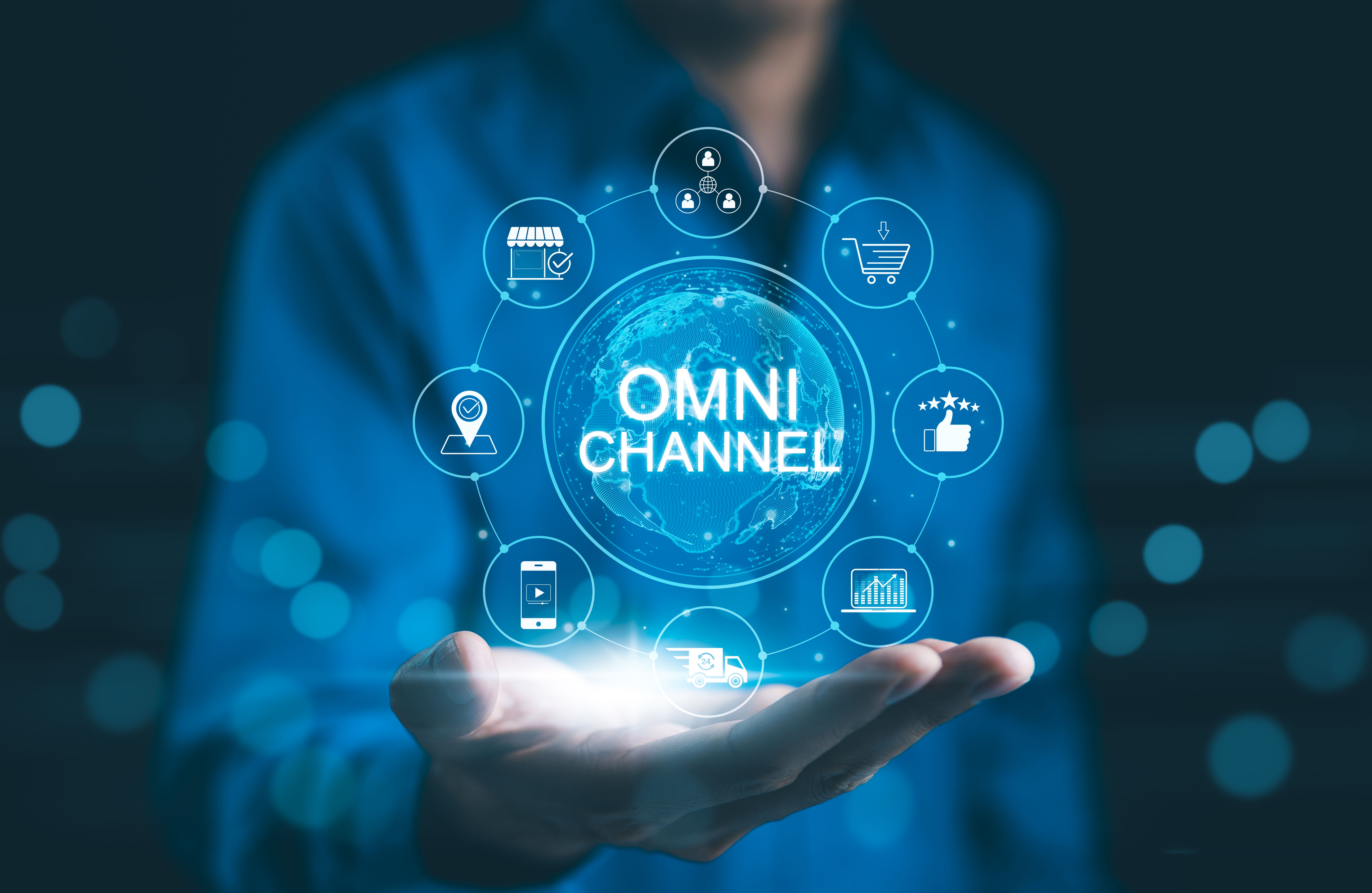
Consumers today interact with brands across multiple channels, from social media to email and in-store visits. An omnichannel approach ensures a seamless and consistent experience, regardless of the platform. This strategy is essential for maintaining brand integrity and reaching consumers wherever they are.
By implementing an omnichannel approach, marketers can craft cohesive campaigns that guide consumers through the funnel. This strategy not only improves customer experience but also increases the likelihood of conversion and retention.
Focus on Customer Experience
Customer experience (CX) is at the heart of successful marketing strategies. As competition intensifies, providing an exceptional CX becomes a key differentiator. Marketers must prioritize creating meaningful interactions at every touchpoint, from the initial contact to post-purchase support.
Investing in technologies that enhance CX, such as chatbots and virtual reality, can significantly impact customer satisfaction. A focus on CX not only strengthens brand reputation but also encourages customer advocacy and long-term relationships.
Emphasis on Sustainability and Social Responsibility
Modern consumers are increasingly conscious of social and environmental issues. Brands that demonstrate a commitment to sustainability and social responsibility can foster deeper connections with their audience. This trend is influencing marketing strategies across the funnel.
By aligning with values that resonate with their target audience, companies can enhance brand loyalty and differentiate themselves in a crowded market. Transparency and authenticity are key to successfully implementing these strategies.

Conclusion
The future of marketing is dynamic and full of opportunities. By embracing trends such as personalization, AI integration, and a focus on customer experience, businesses can create effective full-funnel strategies that drive success. Staying ahead of these trends will ensure that brands remain relevant and competitive in the ever-evolving digital landscape.